
Die Casting vs. Silica Sol Casting
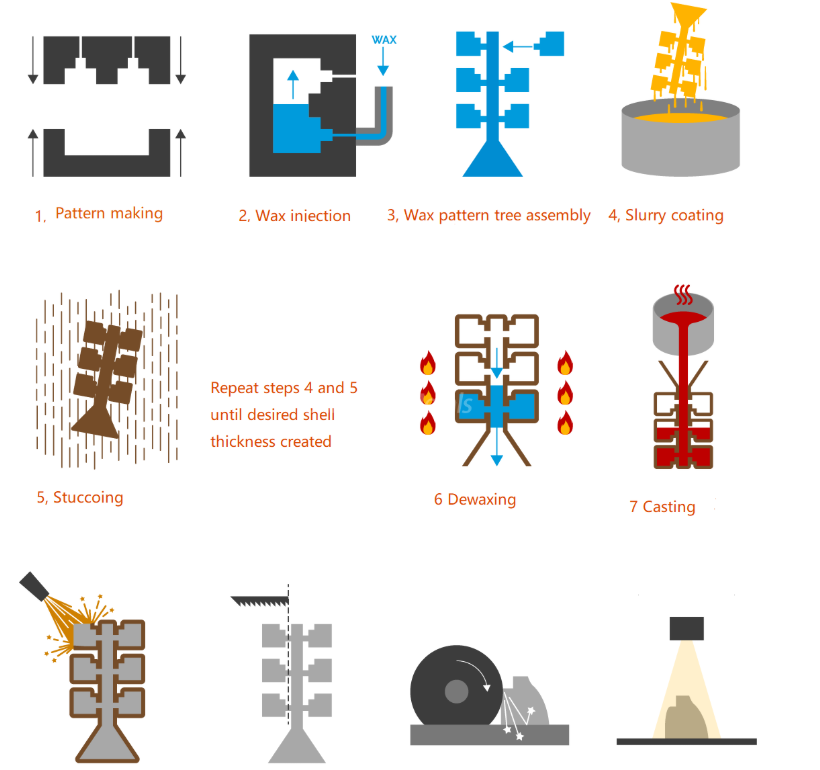
Choosing between die casting and silica sol casting is one of the most critical engineering decisions when sourcing precision metal components, directly dictating raw alloy capabilities, internal sound density, and total tooling amortization. Both casting methodologies yield near-net-shape parts with high dimensional accuracy, yet they operate under fundamentally opposed metallurgical and thermal principles. Understanding how […]
Types of Surface Treatments for Carbon Steel Galvanized Fittings
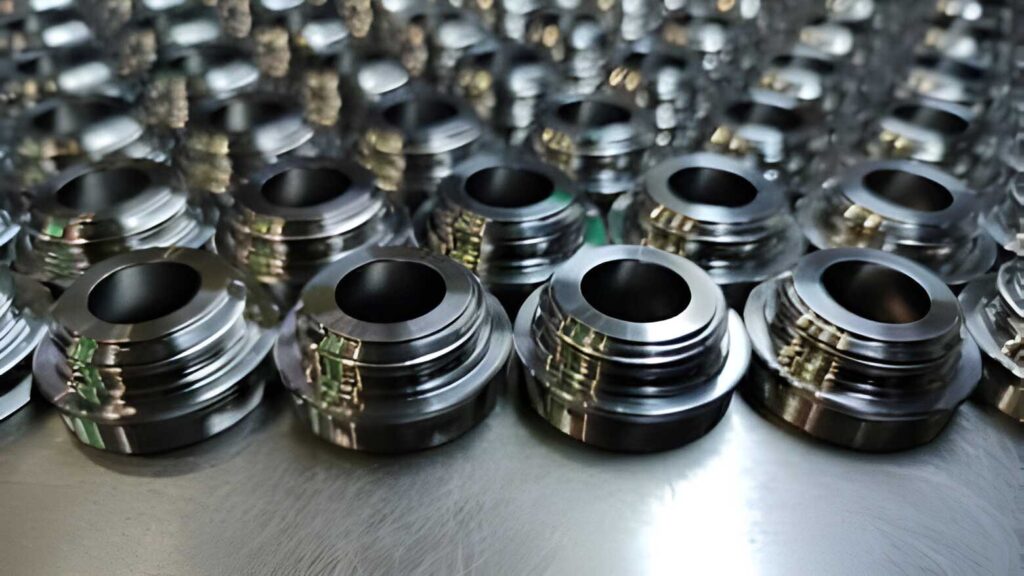
Galvanized fittings remain among the most widely specified connection components in fluid power, industrial gas piping, and mechanical assemblies. Carbon steel provides the necessary tensile strength, fatigue endurance, and pressure containment for demanding duty cycles, but its high susceptibility to ferric oxide (Fe2O3 red rust) makes reliable zinc-based surface protection indispensable. However, assuming that all […]
Types of Galvanized Steel Pipe Fittings: Complete guide
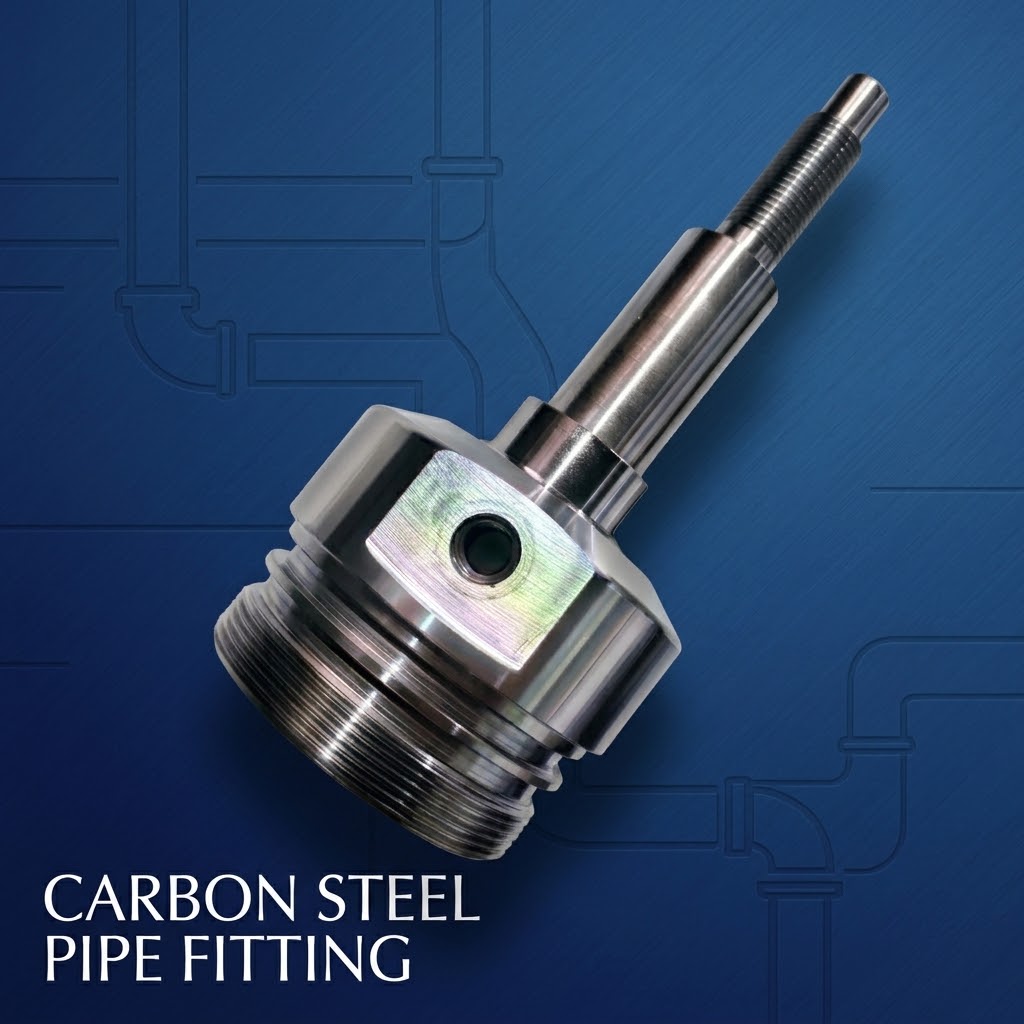
Galvanized steel pipe fittings are critical fluid-handling components engineered to branch, direct, adapt, and terminate industrial piping networks. When systems demand mechanical fatigue resistance beyond structural plastics and superior structural integrity compared to brittle cast iron, precision-machined galvanized fittings provide a reliable, leak-free solution. While off-the-shelf standard malleable castings flood the replacement market, demanding hydraulic […]
Metric Threads Guide: How to Read, Measure, and Calculate Metric Thread Size & Pitch
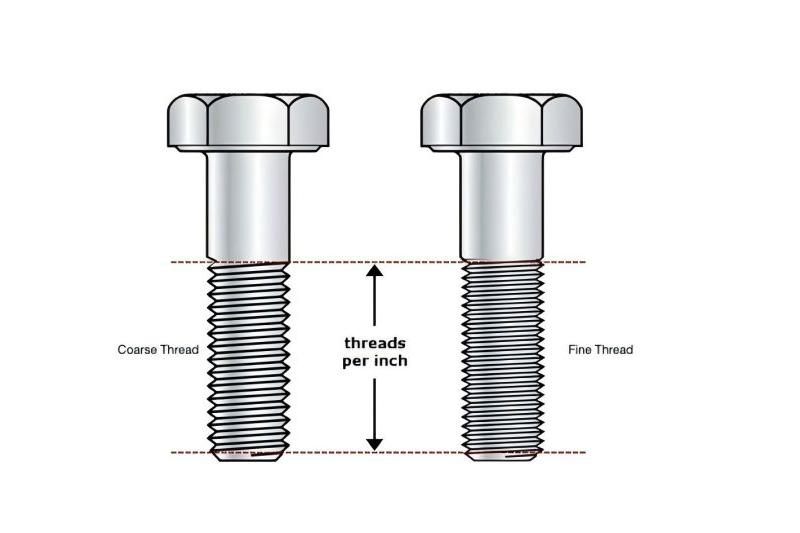
Understanding metric threads is essential for mechanical engineers, CNC machinists, and procurement specialists working across global supply chains. Governed by ISO standards (such as ISO 68-1, ISO 261, and ISO 965), ISO metric threads are the worldwide standard for mechanical fasteners, fluid fittings, and precision turned parts. For teams accustomed to imperial sizing, working with […]
Stainless BSPP Fittings: The Engineering Guide to 304 vs 316 Selection, Surface Integrity, and Sealing Mechanics
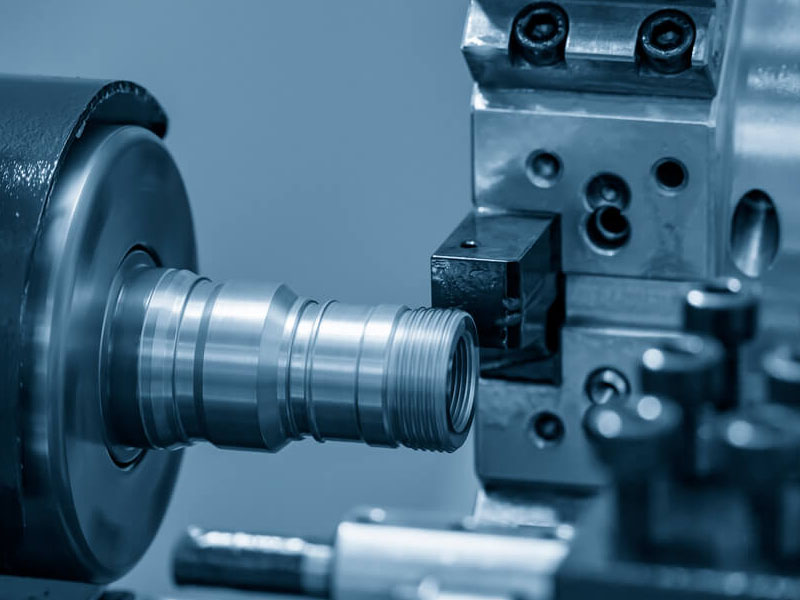
Stainless BSPP fittings serve as critical fluid connectors across modern hydraulic manifolds, pneumatic circuits, and chemical delivery networks where reliable, non-tapered thread integration is required. Unlike tapered thread geometries, a BSPP (British Standard Pipe Parallel, standardized under ISO 228-1 as the “G” thread) connection relies entirely on a dedicated sealing interface rather than thread interference […]
How to Remove Weld Marks from SS Pipe Fittings & Weld Fittings (Passivation vs EP)
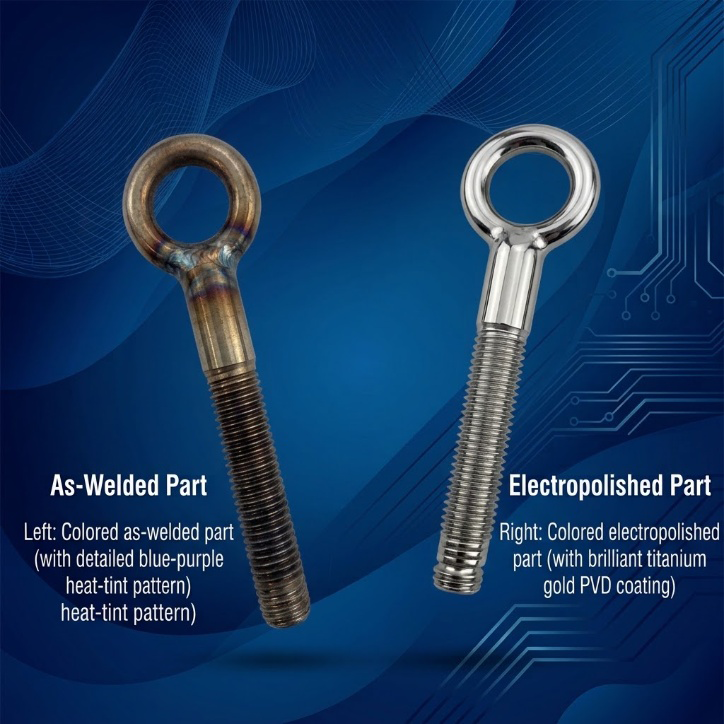
When manufacturing high-precision weld fitting assemblies and industrial ss pipe fittings, post-weld discoloration, weld seams, spatter, and heat-tint oxides are far more than cosmetic flaws. Welding heats the stainless steel substrate past its sensitization threshold, depleting chromium at the surface and breaking down the passive chromium oxide protective layer. Without appropriate post-weld treatment, exposed weld […]
What is 1045 Steel? Properties & Uses in Pipe Fittings
1. What is 1045 Steel? AISI 1045 steel is a medium-carbon, unalloyed engineering steel standardized under ASTM A29 and SAE J403 specifications. With a nominal carbon content of 0.45%, it bridges the gap between ductile, low-strength mild steels (such as AISI 1018 or 1020) and high-hardness, brittle tool steels. Decoding the AISI/SAE 1045 Designation 1: […]
What Is a Hex Nipple? Carbon Steel Sizing, Machining, and Pressure Guide
A hex nipple (hexagonal nipple) is one of the most fundamental pipe fittings in industrial fluid conveyance, high-pressure hydraulics, and process engineering. When two in-line components with female ports must be coupled securely without compromising flow capacity or structural rigidity, a solid male-to-male hex nipple fitting delivers a direct, leak-tight connection. Unlike hollow, thin-walled pipe […]
Pipe Adapter Fittings
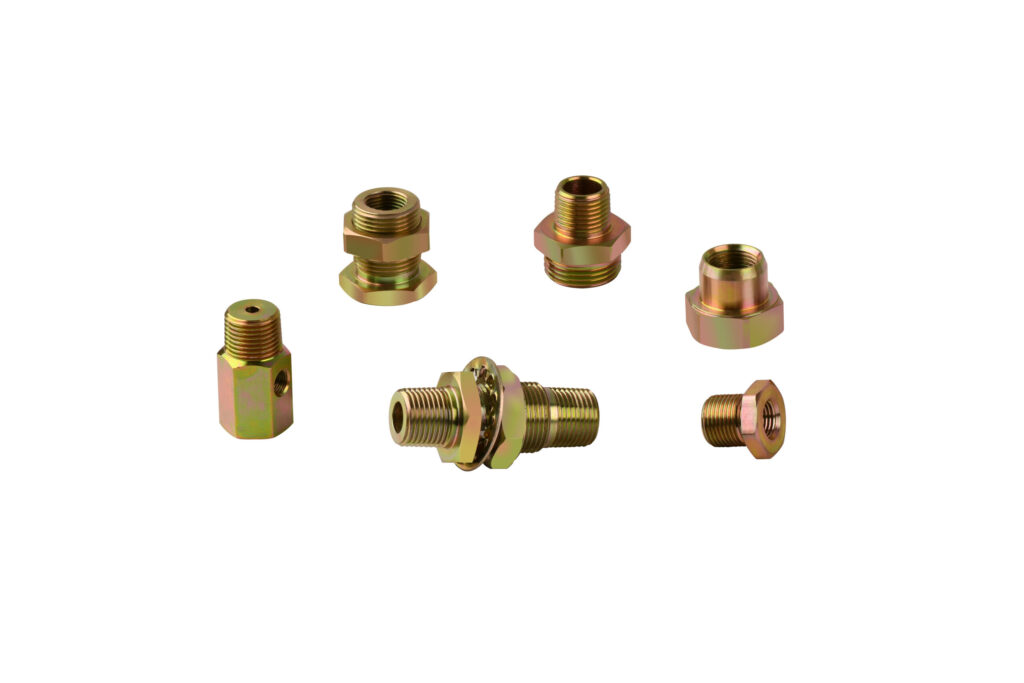
Connecting two fluid lines that were never designed to mate is a daily reality in industrial piping, power instrumentation, and hydraulic circuits. When two ports present conflicting thread standards, asymmetrical gender orientations, extreme dimensional jumps, or require an immediate diagnostic test point, a precision-machined adapter fitting delivers a zero-leak transition in a single, rigid component […]
How to Ensure 100% Crack-Free Gas Fittings: Raw Material Integrity, NDT, and Hot Forging Solutions
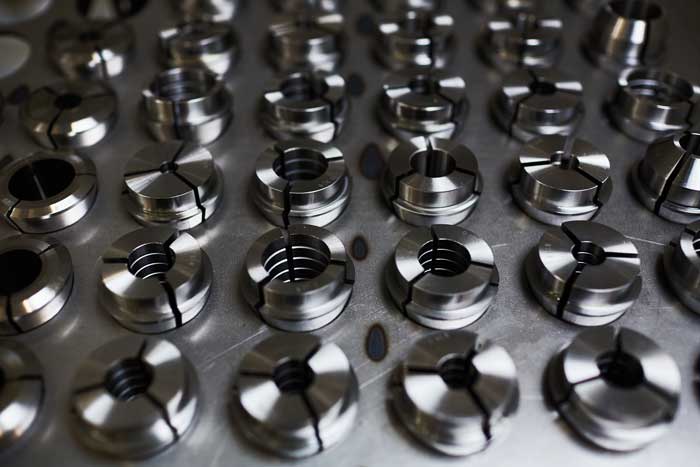
In combustible natural gas distribution, compressed gas systems, hydrogen lines, and critical pneumatic piping, gas fittings must perform under zero-leak conditions. Unlike hydraulic lines where minor seal weep produces visible liquid drops, a micro-crack in a gas fitting allows microscopic gas molecules to escape freely into the environment, creating immediate fire, explosion, and toxic hazards. […]