Trailer chassis frames, air brake lines, and hydraulic tipping circuits face severe vibration fatigue and dynamic load shifting during highway operation. When fluid lines penetrate tanker walls, trailer subframes, or bulkhead mounting plates, relying on standard line unions or poorly seated fittings creates catastrophic failure points. Vibration strips thin sheet-metal threads, unshielded hydraulic lines chafe against rough frame cutouts, and insufficient clamping torque leads to micro-leaks in safety-critical pneumatic braking circuits.
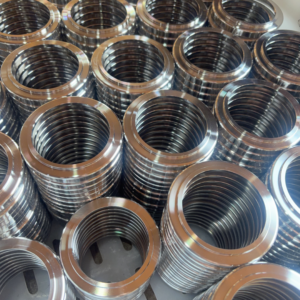
A dedicated carbon steel bulkhead fitting solves this mechanical bottleneck. Engineered with an elongated external body, integrated mounting flange, and heavy-duty backing locknut, it anchors the fluid line directly to the structural divider wall. This isolates structural road vibration from the internal hydraulic circuit, preventing hose wear and fluid loss.
| Nominal Size | Thread Standards | Raw Material | Sealing Principle | Rated Working Pressure | Typical Trailer Application |
| 1/2″ Bulkhead Fitting | 1/2-14 NPT / 1-1/8-12 UNF | S45C High-Strength Carbon Steel | NPT dryseal taper / 37° JIC cone seat | Up to 5,000 PSI (345 bar) | Air brake delivery, pneumatic suspension lines |
| 3/4″ Bulkhead Fitting | 3/4-16 UNF / 1/4-18 NPT | S45C High-Strength Carbon Steel | 37° flared seat / O-ring boss interface | Up to 4,500 PSI (310 bar) | High-flow hydraulic return lines, tanker discharge |
| 1-1/2″ Bulkhead Fitting | 1-1/2-11.5 NPT / 1-7/8-12 UN | S45C Heavy Forged/Hex Stock | Metal-to-metal taper / flat face gasket | Up to 3,000 PSI (207 bar) | Bulk liquid discharge, heavy suction manifold lines |
Standard Bulkhead Fitting Sizing Chart & Thread Dimensions
To streamline field replacement and CAD design selection, the table below outlines our standard CNC production configurations. Each unit features standard straight UNF threads for wall clamping paired with female NPT ports for fluid line integration.
| Item No. / Model | Outer Clamping Thread (B) | Inner Pipe Port Size | Total Length (mm) | Hex Nut Size (mm) | Typical Mounting Cutout |
| 3/4″ Bulkhead Fitting (Short) | 3/4-16 UNF | 1/4-18 NPT | 24.13 mm | 25.40 mm (1.0″) | 19.5 mm – 20.0 mm |
| 3/4″ Bulkhead Fitting (Standard) | 3/4-16 UNF | 1/4-18 NPT | 35.60 mm | 31.75 mm (1-1/4″) | 19.5 mm – 20.0 mm |
| 3/4″ Bulkhead Fitting (Extended) | 3/4-16 UNF | 1/4-18 NPT | 38.10 mm | 25.40 mm (1.0″) | 19.5 mm – 20.0 mm |
| 1/2″ Bulkhead Fitting (Heavy) | 1-1/8-12 UNF | 1/2-14 NPT | 38.10 mm | 31.75 mm (1-1/4″) | 29.0 mm – 29.5 mm |
| 1-14 Bulkhead Fitting | 1-14 UNF | 3/8-18 NPT | 35.60 mm | 31.75 mm (1-1/4″) | 25.8 mm – 26.2 mm |
| 1-1/8 Dual-Port Bulkhead | 1-1/8-12 UNF | 1/2-14 NPT + 3/8-18 NPT | 38.10 mm | 31.75 mm (1-1/4″) | 29.0 mm – 29.5 mm |
Note: As an OEM/ODM precision machining factory, custom overall lengths, stepped hex bodies, and special thread pitches are precision machined per customer prints.
Technical Deep Dive: Mechanical Architecture of Commercial Bulkhead Fittings
Bulkhead adapters must handle both fluid line pressure and structural shear loads from chassis flexing. Machining these components requires tight mechanical tolerances and durable metallurgical properties.
Material Selection: S45C Carbon Steel
Commercial-grade brass lacks the tensile strength to withstand road debris strikes and heavy torque, while cast iron fractures under shock loads. We machine our bulk head fittings from normalized S45C medium carbon steel bar stock:
-
Tensile Strength: ≥ 569 MPa
-
Yield Strength: ≥ 343 MPa
-
Core Advantage: High fatigue resistance against continuous cyclical vibration generated by commercial trailer leaf springs and multi-axle bogies.
Thread Machining and Sealing Standards
Reliable trailer assemblies require precision CNC thread engagement:
-
NPT (National Pipe Taper – ASME B1.20.1): 60° thread angle with a 1:16 taper ratio. Thread crests and roots crush together during torquing to create a mechanical seal. Used primarily for air lines and heavy tanker manifold wall passthroughs.
-
UNF / UN Straight Thread (ASME B1.1): Used on SAE J514 37° JIC flared fittings and ORB (O-Ring Boss) connections. Fluid sealing is achieved via mechanical cone-to-cone metal contact or an elastomeric O-ring compressed into the port chamfer. The straight external thread handles heavy locknut clamping without distorting the internal fluid bore.
-
Machining Tolerance: CNC operations maintain strict dimensional control at ±0.1 mm across hex dimensions, overall length, undercut relief grooves, and thread pitch diameters.
Surface Treatment: Heavy-Duty Protective Zinc Plating
Road grime, de-icing salts, and highway moisture cause rapid galvanic and chemical corrosion. Our carbon steel bulk head fittings receive an industrial Zinc Plating treatment with an advanced passivation layer. The coating delivers over 120 hours of salt spray resistance (ASTM B117) to white corrosion and over 240 hours to red rust, ensuring the locking threads do not gall, seize, or strip during field maintenance.
Failure Analysis: Structural Wall Penetration Risks
Installing fluid connections through chassis dividers or tanker bulkheads carries distinct structural requirements. Using improper parts causes premature line failure.
| Engineering Failure Mode | Incorrect Assembly Practice | Correct Engineering Specification | Operational Field Consequence |
| Locknut Backing Failure | Using a standard hex pipe union with field-cut thin jam nuts | Machined heavy-pattern hex locknut with an integrated undercut landing | Road vibration loosens the assembly; fitting wobbles in frame cutout, fatiguing rigid tubing. |
| Bore Wall Tearing | Drilling out undersized standard fittings to increase flow rate | Specifying high-flow 1 1 2 bulkhead fitting or 3 4 bulkhead fitting with verified wall thickness | Thinned fitting body fractures under transient hydraulic pressure spikes (water hammer effect). |
| Galling Under Torque | Running dry, non-plated carbon steel threads into galvanized brackets | Electro-deposited Zinc Plating with lubricated thread profile | Severe metal pick-up and thread seizure before reaching the specified clamping load. |
| Wall Penetration Leakage | Running bare NPT threads straight through an unthreaded frame clearance hole | Machined flange-shoulder bulkhead body seating tight against an elastomer seal washer | Air brake pressure loss, road spray entering the enclosed chassis electronics bay. |
Field Identification & Engineering Selection Steps
When configuring replacement assemblies or preparing new vehicle chassis production prints, follow this selection sequence:
-
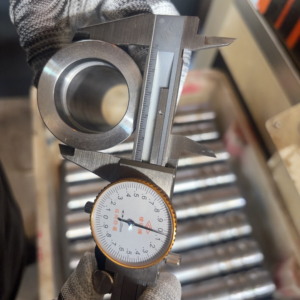
Measure Plate Thickness and Flange Depth: Use a vernier caliper to determine the total thickness of the mounting plate or chassis web. Ensure the selected bulkhead fitting offers sufficient usable thread length beyond the plate thickness to seat both the backing washer and the full-depth hex locknut.
-
Determine the Fluid Circuit Function:
-
For air brake distribution and primary gladhand lines, use a 1 2 bulkhead fitting with NPT or SAE straight threads.
-
For auxiliary hydraulic circuits and dump trailer tippers, select a 3 4 bulkhead fitting rated for high dynamic flow.
-
For heavy fluid tanker suction lines or dry-bulk pneumatic offloading, specify a 1 1 2 bulkhead fitting to avoid line restrictions.
-
-
Verify Thread Form Compatibility: Differentiate between tapered threads (NPT) and straight mechanical threads (UNF/JIC). Never force a tapered pipe thread into an SAE straight locknut, as this prevents parallel clamping against the bulkhead wall.
-
Inspect Port Clearance Holes: Drill or punch the mounting hole to a clearance diameter no larger than +0.5 mm over the major thread diameter of the fitting body to avoid cocking the assembly off-axis during torquing.
-
Check Plating and Torque Limits: Verify that the protective zinc plating is intact on all threads. Tighten the heavy locknut to the recommended assembly torque values to prevent vibrational loosening while keeping the mounting wall planar.
Manufacturing Edge: Factory-Direct Quality Control at Xinghe
As a premier ISO 9001 certified CNC machining manufacturer and wholesale supplier of fluid power components, producing consistent, high-volume fluid connectors requires dedicated production equipment and rigid quality control.
Discover our full catalog of high-pressure carbon steel adapters and pipe fittings engineered for heavy commercial trailer assemblies.
-
Plant Scale & Setup: Our modern manufacturing plant operates 60+ precision CNC turning centers equipped with automated truss robots, running 24/7 high-efficiency lean operations. Automated part loading ensures zero tool-impact marring on critical sealing cones and precision threads.
-
Thread Quality Assurance: Every production batch undergoes a 100% Go/No-Go calibrated thread gauge inspection protocol. Plug and ring gauges verify pitch diameter, flank angles, and thread lead before surface plating, eliminating field thread cross-threading or assembly jams on your production line.
-
Traceable S45C Metallurgy: Bar stock raw material is verified using optical emission spectrometry to prevent micro-porosity and inclusions, ensuring stable tensile integrity across heavy commercial fleets.
Learn more about our manufacturing capabilities and factory history to see how our engineering team supports OEM and tier-1 fleet builders worldwide.
Frequently Asked Questions
Why should I choose S45C carbon steel over stainless steel for commercial trailer bulkhead mounts?
Stainless steel offers high chemical corrosion resistance, but it is prone to severe thread galling (cold welding) under high-vibration conditions and heavy locknut torquing. S45C carbon steel treated with heavy zinc plating delivers superior fatigue strength and structural toughness at a significantly lower direct-factory unit cost, making it ideal for heavy commercial trailer undercarriages.
How do I prevent an air brake bulkhead fitting from loosening under continuous highway vibration?
Proper mechanical locking relies on thread pitch precision and clamping friction. Use heavy-pattern carbon steel locknuts with wide bearing faces, ensure the clearance hole matches the body diameter, and apply a compatible split lock-washer or thread-locking adhesive.
What is the maximum plate thickness supported by standard CNC-turned bulkhead bodies?
Standard production bodies accommodate plate thicknesses ranging from 3.0 mm up to 15.0 mm. For specialty armoring, insulated tanker compartments, or cast mounting structures, our workshop machines custom extended-shank bulk head fittings based on your specific print dimensions.
Partner with Xinghe for Custom Trailer Fittings
Whether you are designing a new commercial chassis, upgrading air brake manifolds, or sourcing wholesale quantities of 1 2 bulkhead fitting, 3 4 bulkhead fitting, or 1 1 2 bulkhead fitting components, Xinghe Industrial provides reliable, factory-direct manufacturing.
Send your CAD files (STEP, IGES) or detailed PDF prints to our engineering team today to receive a complete, itemized DFM review and factory quote within 24 hours.